Meeting a new specialist can feel a bit nerve wracking for both a parent and a child. You might worry about how your little one will react to a new face and a new room. There is no need to fret because these visits are built to be fun and relaxed. The focus stays on comfort while checking how the body moves.
Expert care through pediatric physiotherapy Dubai ensures that every child feels safe while they start their path to better health.
The initial chat
The visit begins with a friendly talk about your child’s history. The therapist asks about birth stories, developmental steps, and any specific worries you have. They want to hear about what your child can do easily and what seems hard right now. This conversation helps the team build a plan that fits your family’s daily life and goals perfectly.
Physical movement check
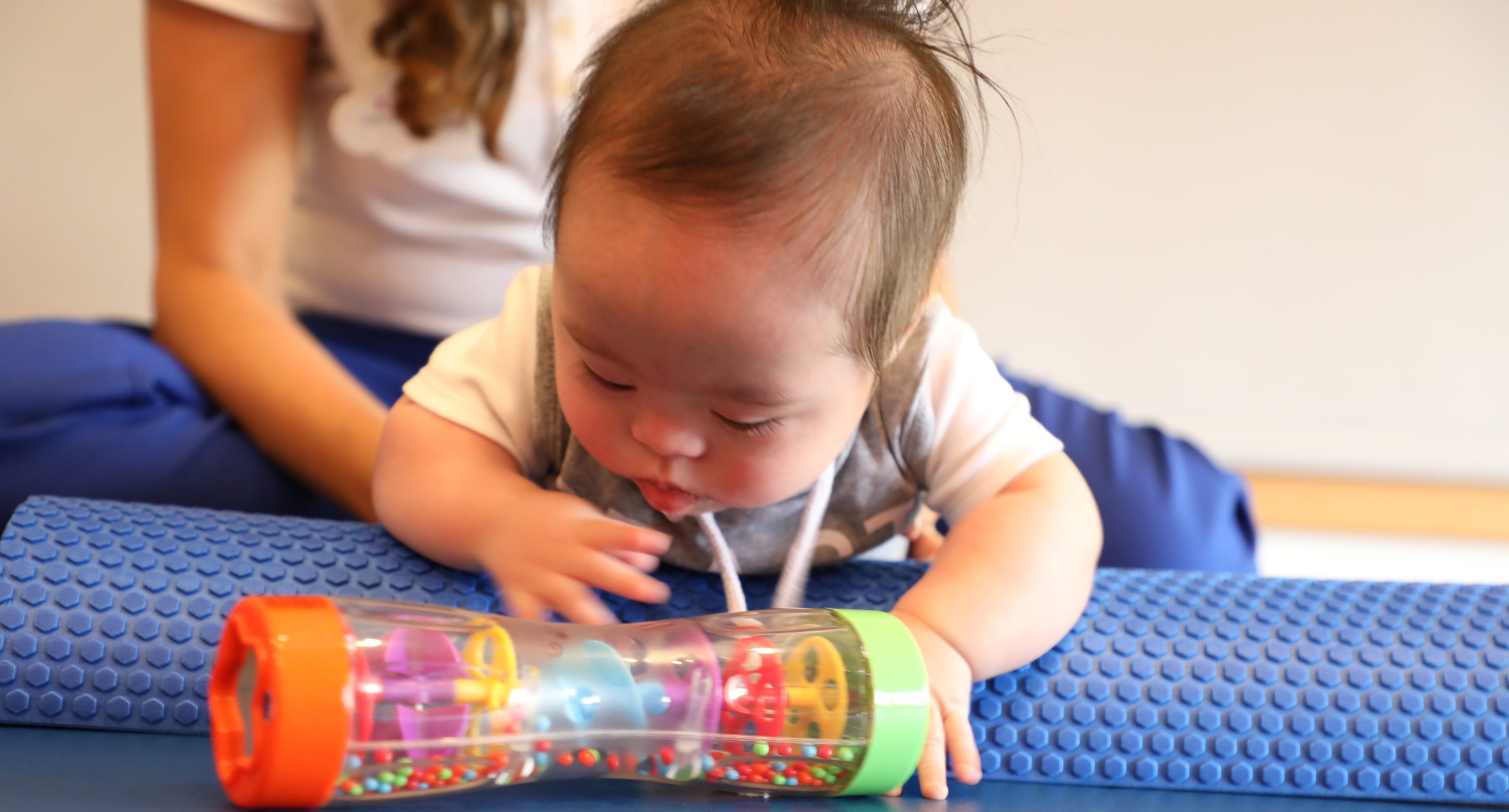
The therapist watches your child play and move around the room. They look at how your child sits, crawls, stands, or walks to see their natural patterns. This part feels like a play session rather than a medical test. By seeing how muscles work together, the expert finds areas that need a bit of extra help or strength.
Testing strength and range
Small tests check how strong the muscles are and how well the joints move. The therapist might gently move your child’s arms or legs to see if there is any stiffness. They use fun toys to encourage kids to reach, pull, or push. These simple tasks give clear information about physical needs without causing any stress or discomfort.
Setting clear goals
After the check, you talk about what comes next. You decide together which skills to work on first, like better balance or stronger steps. Setting these targets ensures everyone stays on the same page for future visits. Clear goals make it easy to see progress as your child gains new abilities over time.
The home plan
You receive simple activities to do at home between visits. These exercises are often turned into games so they fit right into your normal routine. Doing these tasks regularly helps speed up progress and builds confidence in your child. The therapist shows you exactly how to help your child move safely and effectively.