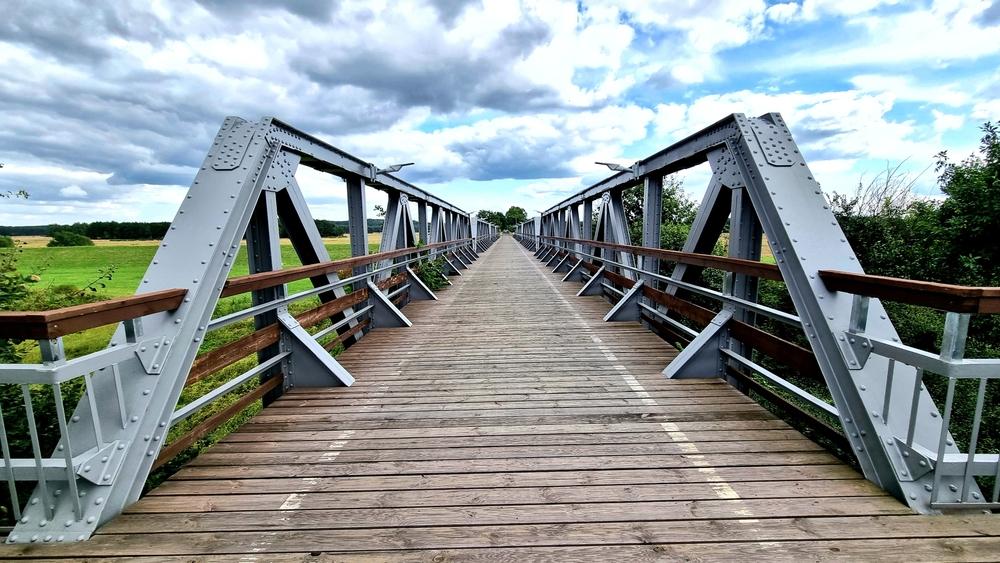
Heavy trucks, howling winds, and shifting earth put incredible pressure on modern infrastructure. Engineers design these structures to stand firm against nature’s fury and heavy traffic. To achieve this, specific materials must meet strict safety rules while supporting tons of weight every single hour.
This process of creating strong, reliable metal parts falls to expert bridge steel fabricators who ensure every piece fits perfectly.
Choosing the right metal:
Creating a strong structure starts by picking specific grades of iron and carbon mixes. These materials must resist bending under pressure while staying flexible enough to handle cold or heat. Fabricators test each batch to ensure it can hold up for decades without cracking. Simple steel works for small paths, but heavy-duty crossings need high-strength alloys that resist rust and wear.
Cutting with precision:
Once the metal arrives, machines cut it into exact shapes using heat or water. Small errors during cutting lead to big problems later, so workers use computers to guide every move. This stage ensures that every beam and plate matches the plan exactly. Even a tiny gap can weaken the whole system when heavy loads pass over it daily.
Welding for strength:
Fusing large metal plates together needs intense heat and expert skill. Welds act as the glue holding the entire frame together under the weight of thousands of cars. Inspectors use special tools like X-rays to look inside these joints for any bubbles or weak spots. A perfect weld makes the separate pieces act as one solid, unbreakable unit.
Testing for heavy weight:
Before any part leaves the shop, it goes through several trials to check for toughness. Fabricators apply force to samples to see how much stress they can take before they snap. This ensures the bridge stays safe during storms or when many heavy trucks cross at once. These tests give people confidence that the structure will remain standing in any weather.
Applying protective layers:
Metal can weaken if it gets wet or sits in salty air for too long. Workers spray special coatings or dip the metal in zinc to stop rust from forming. This layer acts like a shield, keeping the inner strength of the beam safe from the outside world. This step means the city spends less money on repairs over the next fifty years.