Finding live bugs crawling on the scalp after using a treatment is a frustrating experience. This situation leaves parents and adults feeling defeated and uncertain about the next steps to take. Resistance to standard treatments is a growing problem, and a single application rarely eliminates a full infestation of these resilient insects.
The appearance of new nits close to the scalp confirms the treatment failure. Effective solutions exist beyond a simple wash with a standard lice removal shampoo.
Check for proper application:
A failed treatment frequently results from incorrect product use rather than product weakness. Read the label instructions carefully and verify the amount of product applied to dry hair. The hair must be completely saturated from the roots to the ends for the active ingredients to work. Leaving the product on the head for the full recommended time is critical for its effectiveness. Rinsing too early dramatically reduces the chemical impact on the parasites.
Use a fine-toothed comb:
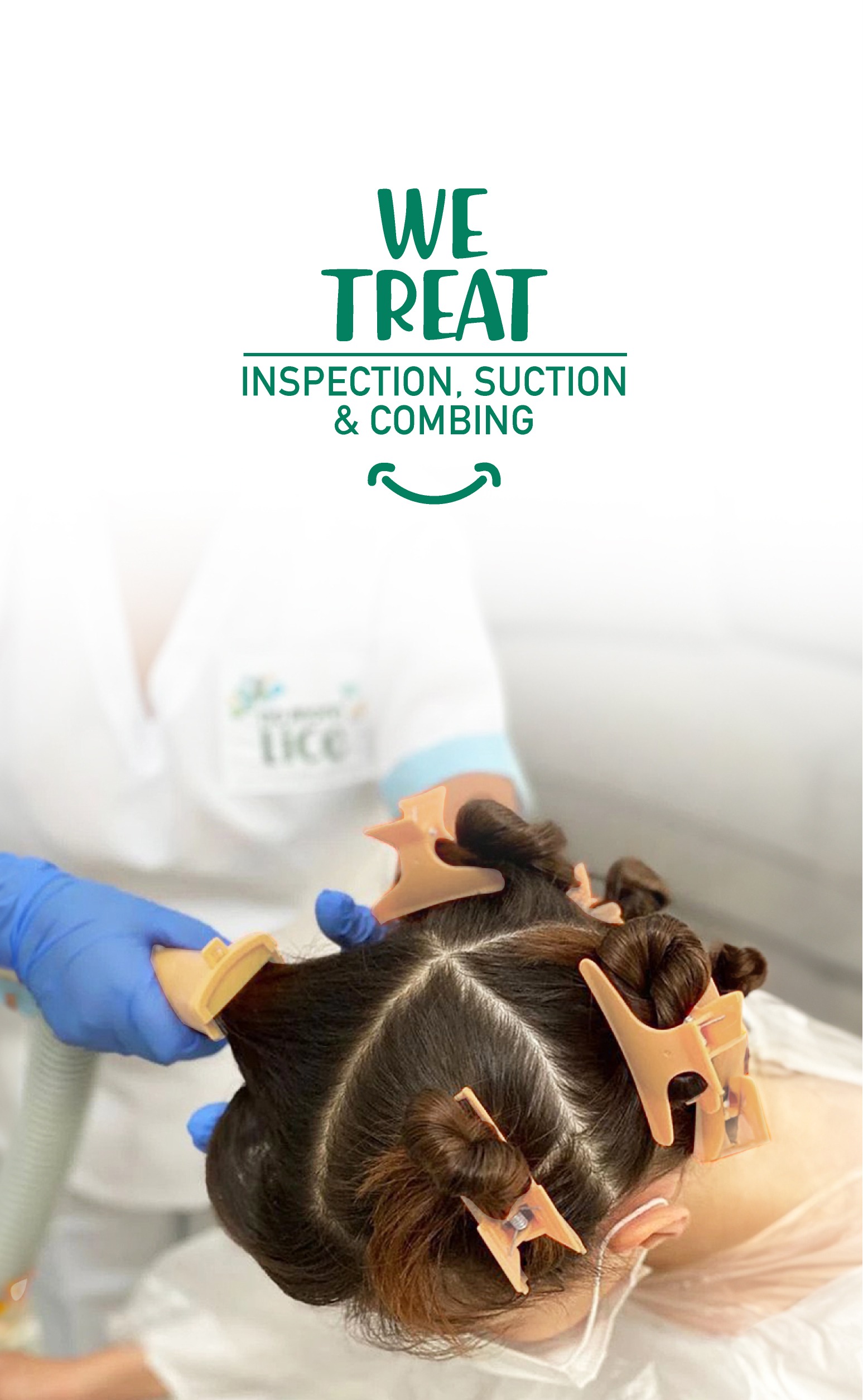
A treatment product kills the adult bugs but does not always destroy the sticky eggs glued to hair strands. Manual removal with a high-quality fine-toothed comb is the most reliable method for removing nits. Comb through small, damp sections of hair from the scalp outward after every single wash. Wipe the comb on a white paper towel after each pass to see the removed debris. Repeat this combing process every two to three days for two weeks to catch any missed eggs.
Try an alternative active ingredient:
Some lice populations have developed resistance to common pesticides found in standard treatments. Switching to a product with a different active chemical can effectively break this cycle of resistance. Products containing dimethicone or other oils work physically by suffocating the bugs without using traditional poisons. This different approach can be effective even when standard chemical shampoos have proven useless. Always check the ingredient list and choose a new product with a different mechanism of action. A single change in the active component can produce completely different results.
Consider prescription treatments:
When over-the-counter options and combing fail repeatedly, a visit to a healthcare provider offers stronger solutions. A doctor can prescribe topical medications with higher concentrations or different chemical bases. These prescription treatments are formulated for stubborn cases that do not respond to regular pharmacy products. They can provide a more potent option for families struggling with a persistent infestation.