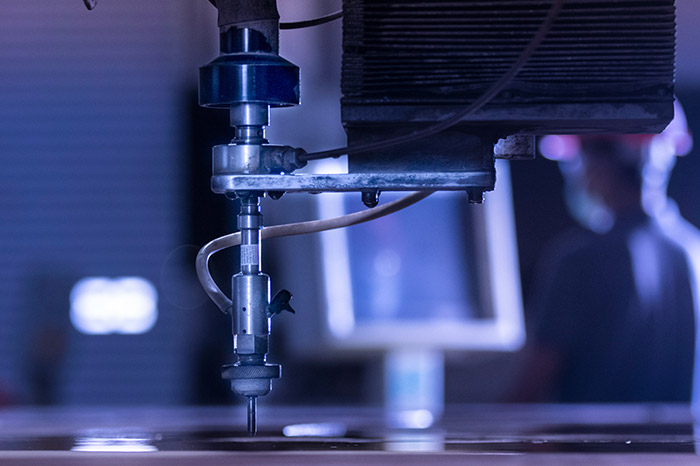
Choosing a production partner for metal or acrylic fabrication feels similar to selecting a dependable co-pilot for a critical mission. The output quality, turnaround time, and cost structure directly affect project viability. One wrong choice leads to delays and budget overruns.
A clear checklist cuts through the confusion, offering a straightforward path to finding a reliable workshop. Use this guide to assess any potential provider efficiently. Proper evaluation saves time and money while securing superior results from your chosen provider of laser cutting in Dubai.
Capability and material range
Check what materials the workshop handles daily. A facility limited to thin mild steel cannot help with thick aluminum plates or reflective copper sheets. Ask for a detailed material list, including maximum thicknesses for each metal type.
Confirm they work with exotic alloys if the project demands them. Versatility indicates broader problem-solving experience, preparing them for unusual requests. A narrow focus might signal lower operational costs, but restricted capabilities force expensive outsourcing later. Verify their equipment can cut the specific gauge and grade required for the current job.
Precision and tolerance standards
Review their stated positional accuracy and repeatability specs. Production parts must fit mating components without excessive rework. Request a sample part drawing with critical dimensions and ask them to quote achievable tolerances. Compare their standard offerings against industry norms.
A shop promising unrealistic precision probably lacks rigorous quality control. Look for documented measurement procedures using calibrated tools. Clear tolerance communication prevents mismatched expectations and scrapped pieces.
Quality assurance protocols
Examine their inspection process from raw stock to finished goods. A robust system includes first-article checks, in-process monitoring, and final verification. Ask about defect tracking and corrective action procedures.
Workshops with written quality manuals demonstrate professional discipline. Request evidence of consistent edge finish and minimal dross formation. Reliable providers welcome customer audits and share inspection data upon request. Transparent quality practices reduce the risk of receiving substandard components.
Equipment maintenance and age
Inquire about the average age of their primary cutting machines and maintenance schedules. Older systems produce wider kerfs and rougher edges, affecting dimensional accuracy. Well-maintained newer units deliver cleaner cuts at faster feed rates.
Ask if they perform daily lens cleaning, beam alignment, and nozzle checks. Regular servicing minimizes unexpected breakdowns and ensures predictable output. Modern fiber lasers handle reflective materials better than older CO2 variants. Knowing their upkeep habits gives insight into their operational discipline.