Modern manufacturing demands flexible solutions. Materials vary widely in hardness and thickness. Shapes grow increasingly complex each year. Production volumes fluctuate constantly. One cutting method rarely handles everything.
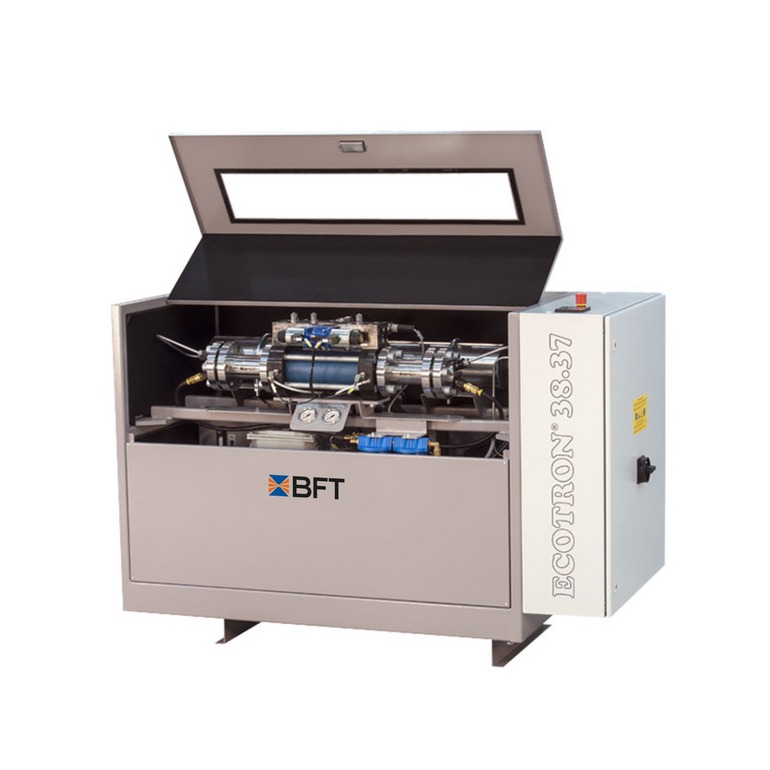
Waterjet technology breaks these limitations completely. This single machine replaces multiple cutting tools. Workshops gain remarkable capability with one installation. The versatility of waterjet cutting Dubai has transformed industrial fabrication possibilities.
Material diversity without limitations:
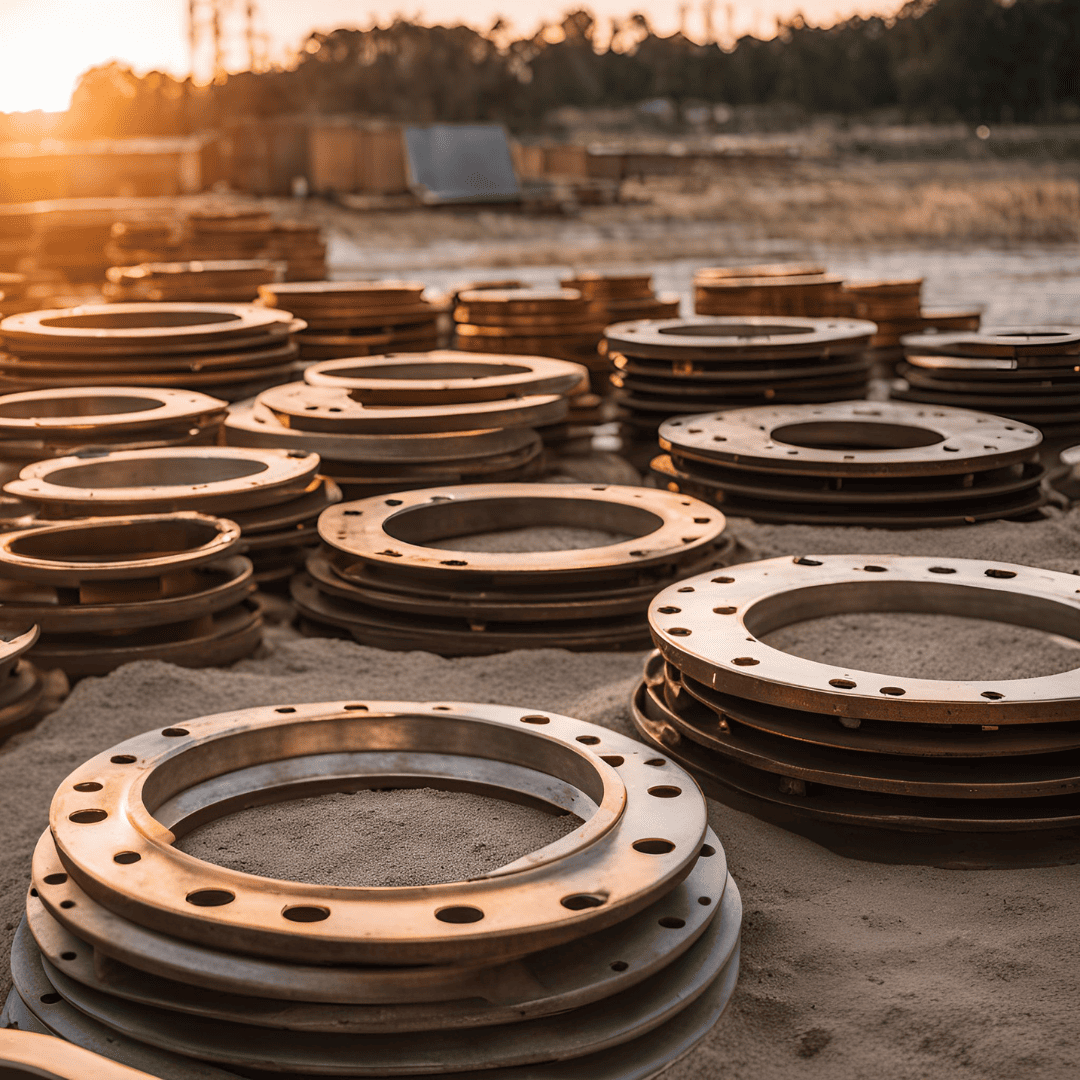
Waterjet cuts soft rubber and hard titanium equally well. Foam and gaskets get processed cleanly. Thick steel plates present no difficulty. Glass and ceramic materials cut without cracking. Stone and granite shape precisely. Composite materials separate cleanly. This broad material range eliminates the need for separate machines. Shops save floor space and capital investment significantly.
Thickness range from paper to heavy plate:
Thin sheets cut with high precision. Thick blocks up to twelve inches process smoothly. The same nozzle handles both extremes. No tool changes become necessary. Adjusting pressure and speed adapts to thickness. Operators learn one system thoroughly. Production planning stays straightforward. New projects get accepted without equipment concerns.
Intricate geometries and tight tolerances:
Sharp internal corners pose challenges for other methods. Waterjet cuts any shape from digital files. Radius restrictions disappear completely. Small holes get drilled precisely. Detailed patterns replicate accurately. Tolerances hold within thousandths of an inch. Complex parts require no secondary finishing. Designers enjoy complete creative freedom.
Stacked cutting for increased productivity:
Multiple thin sheets stack together for cutting. The water stream penetrates all layers equally. Production output multiplies immediately. Labour costs per part decrease substantially. Nesting efficiency improves with stacked materials. Setup time remains minimal between batches. Small parts get produced in large quantities economically.
No heat affected zones or metallurgical changes:
Thermal cutting alters material properties permanently. Edge hardness changes near the cut line. Structural integrity gets compromised. Waterjet operates at room temperature. Original material strength stays completely preserved. Heat-sensitive alloys remain unaffected. Welding and heat treatment become unnecessary. Finished parts perform exactly as designed.
Environmental advantages and clean operation:
Water and abrasive form the cutting medium. No toxic gases get released into the air. No chemical coolants contaminate the workplace. Spent abrasive gets collected and recycled. Waste water gets filtered and reused. Operating costs remain predictable. Safety improves with cleaner shop conditions. Regulatory compliance becomes easier to maintain.