Luxury timepieces demand sharp eyes. Spotting an imitation versus an authentic piece requires quick inspection skills. Collectors crave genuine metal art, yet copies exist everywhere. Detecting discrepancies takes practice, but it rewards the owner with peace.
Recognizing craftsmanship saves money plus preserves dignity. Grasping the true AP Royal Oak price assists in spotting odd deals. Authentic watches shine bright while cheap versions lack soul.
Inspect the dial pattern:
Genuine dials feature a crisp, intricate grid pattern. Fake versions look blurry, flat, or lack depth. Real ones show clear lines and precise geometry. Focus on how light plays across the surface. Originals possess fine, sharp edges within every small square. If the pattern appears mushy or poorly pressed, walk away.
Examine the screw heads:
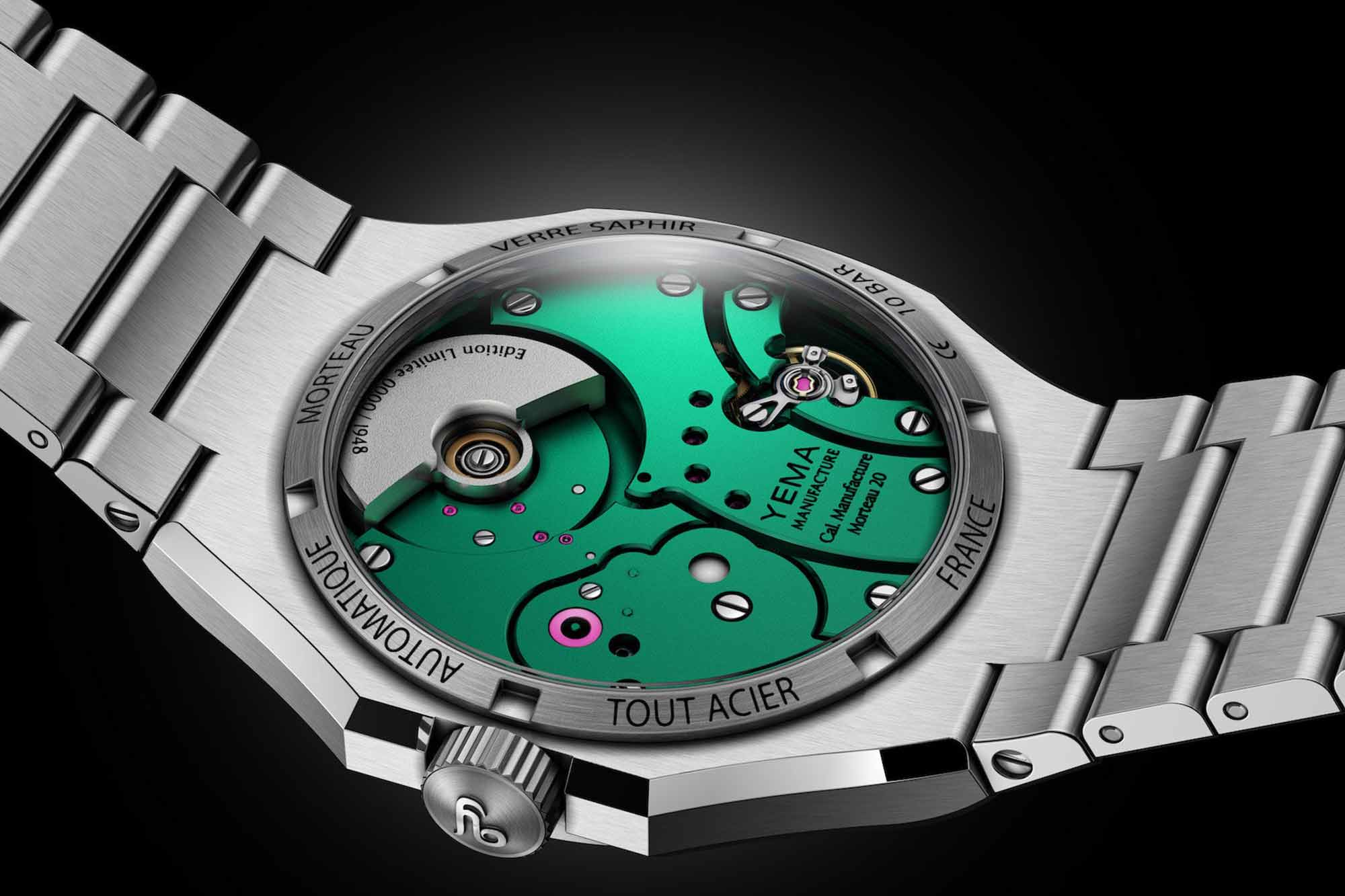
Look at the eight screws on the bezel. Real watches feature screws that align perfectly with the shape of the bezel. They sit flush against the metal surface. Counterfeits show uneven gaps, scratched slots, or screws that stick out too far. Genuine hardware shows high metal quality and clean, smooth finishes.
Feel the bracelet weight:
Real steel carries a distinct, substantial feel. Pick it up and judge the mass. Cheap replicas use lighter, base metals that lack the density of the real item. Genuine luxury items provide a solid heft. If the watch feels hollow, thin, or unusually light, trust the gut feeling. Stick to these steps to keep the collection authentic.
Check the clasp mechanism:
A quality clasp operates with a firm, satisfying click. It remains secure during wear. Imitation clasps feel flimsy, hard to close, or sharp around the edges. Inspect the logos engraved inside. Genuine engravings appear deep, clean, and perfectly spaced. Poor quality items show shallow, messy, or uneven stamping that gives the game away instantly.
Test the movement sweep:
Watch the second hand move. Real high-end movements glide smoothly around the dial. A jerky or ticking motion suggests a cheap quartz engine. Genuine mechanisms stay silent and flow without stops. Listen closely for a smooth, consistent rhythm. If it ticks loudly, it fails the test.
Verify engraving depth:
Logo placements display crisp, deep etching. Every line remains sharp, clear, and perfectly centered. Imitations show shallow, messy, or worn-looking marks. Genuine manufacturers utilize lasers or tools that cut into steel with immense detail, preventing any fading.